

Apple’s Black Friday AirPods Max 2 Offer Comes With a $75 Gift Card
Apple’s U.S. event starts November 27. Here’s what the AirPods Max 2 offer does to your cart, how returns work and when a lower price elsewhere is worth more.
A $75 offer can change the way a pair of headphones looks in a shopping cart. The first question is when that $75 becomes useful. Apple’s 2026 U.S. Black Friday event includes a $75 Apple Gift Card with a qualifying purchase of AirPods Max 2. The card works on a future purchase. If the headphones are the only thing you want from Apple, a retailer that charges you less for the same model today may be offering the more useful deal.
The official U.S. terms put the event between midnight Pacific time on Friday, November 27, and 11:59 p.m. Pacific time on Monday, November 30. Apple lists a $75 gift card for AirPods Max 2 and currently lists the headphones themselves at $549 in its U.S. store. The useful number to compare against a competing offer is what you will pay for the whole transaction, followed by how much of the card you will actually use.
This is an offer about the exact second-generation over-ear model. In the same promotion, Apple lists different amounts for other headphones. AirPods Pro 3, for instance, are listed with a $50 card. A listing that says only AirPods, or that drops the number from AirPods Max 2, deserves another look. The product name and the amount matter independently.
What the checkout line means
Apple describes the mechanism in a slightly counterintuitive way. A qualifying buyer receives a discount on the eligible hardware equal to the amount of the promotional product. The promotional product is charged as its own item in the cart. The value of the card is available for a later purchase. Those three facts can coexist on the same receipt. It can show a lower line-item amount for the headphones and still charge $549 for the hardware and card together before applicable taxes and other charges, assuming the headphones start at the current $549 price.
The two prices people are likely to discuss answer different questions. Subtracting $75 from $549 gives $474. That is the effective cost if the card displaces an entire $75 you already planned to spend with Apple, and it expresses that scenario reasonably well. It does not describe how much a buyer needs to pay for the initial purchase. That remains important if the buyer has a hard budget for the weekend or is comparing two options with different refund and delivery terms.
Consider someone who wants the headphones and already needs to replace an Apple accessory that costs at least $75. Provided the later transaction is eligible and the timing works, the card could replace spending they were already going to do. Another buyer may only be interested in the headphones. If the reward turns into a visit to the store to look for something new to buy, it has a different value in their budget. Both buyers can receive the same card without getting the same benefit.
Taxes and shipping can add their own differences. The cleanest comparison is to check both carts at the point where each displays its total and its delivery date. Look separately at the next purchase you would make with the card. The discount printed under a line item is easy to capture in a screen shot. The total is the amount you have to work with when the card goes away or the offer changes.
Where and when the purchase qualifies
Apple includes participating U.S. Apple Store locations, its online store, its Store app and its phone sales channel in the offer. The terms require purchases and delivery to be within the same qualifying country. A third-party store can run its own offer on the same headphones, but Apple says a purchase outside the qualifying locations does not receive this promotion from Apple. Treat a retailer’s promise, return window and stock as separate from Apple’s terms.
A delayed shipment is different from a delayed order. Apple says a qualifying order placed during the event can still receive the promotional product if the order ships later. That is relevant if the color you want shows a later delivery date. It does not turn an out-of-stock item into a guaranteed order. The event remains subject to availability and the published conditions. Verify that the appropriate card is in the actual transaction instead of inferring that every order shown on the page qualifies.
Online shoppers outside the Pacific time zone have a practical reason to note the clock used in the terms. The offer starts and ends on Pacific time, so the local time on a phone can make the official window look earlier or later than the headline dates suggest. If you have genuinely decided to buy, the easiest outcome is to make the decision with enough time to verify the product and offer in the cart rather than leave both to the last few minutes.
Apple also excludes refurbished products and lists other exclusions, including open-box returns being sold as-is and end-of-life products. That creates a shopping comparison rather than a problem. A reasonable open-box price on the correct model may be worth evaluating under the store’s own conditions. It belongs next to the direct purchase as a separate option with separate terms. In particular, a shopper should know what is included and how the return works before deciding that one sticker price beats another.
A return is another reason to keep the card intact
A November purchase sometimes sits unopened until a gift is delivered or a traveler gets back. The extra card is easy to spend in the meantime. That has a consequence if the headphones are returned. Apple’s event terms say a full refund requires both the eligible purchase and the promotional product to be returned. If the promotional product is missing, kept or has been redeemed, Apple can deduct its full original value from the refund or exchange value of the eligible product.
The practical version is to leave the reward alone until you are confident the headphones are staying, especially if you are buying for someone else. Keep the order information together so you can identify the card that belonged to that purchase. A small precaution makes it easier to make a later decision on fit, comfort and whether the gift was right without having to untangle another completed transaction.
You can check Apple’s gift card shopping help and gift card terms before deciding what to use the value for. Apple lists several kinds of eligible purchases, including products, accessories and various digital purchases, with conditions that depend on how and where the card is used. That is plenty of flexibility for someone who already spends with Apple. It need not turn into a reason to buy something more expensive just so the balance feels fully used.
Compare the actual model, then compare the actual costs
There is no need to settle the competition between every set of wireless headphones to figure out whether this is a sensible offer. Start with the model. AirPods Max 2 are Apple's H2-powered over-ear headphones, and Apple’s product materials specify USB-C charging and support for compatible wired audio over USB-C. Its store also puts listening time with active noise cancellation at up to 20 hours. These are relevant checks if you are moving between listings labeled with different generations or assuming a sale headline is about the newest set.
If you have landed on the exact model and want it, a retailer’s direct price below $474 before taxes would already beat the $549 Apple price after giving the gift card full face value, provided the conditions and other costs are comparable. The break-even point moves up if you would only use some of the credit, and the effective value could be lower if the card would sit unused. The return policy and your confidence in the seller deserve a place in the same decision. They are easy to overlook when a savings figure does all the talking.
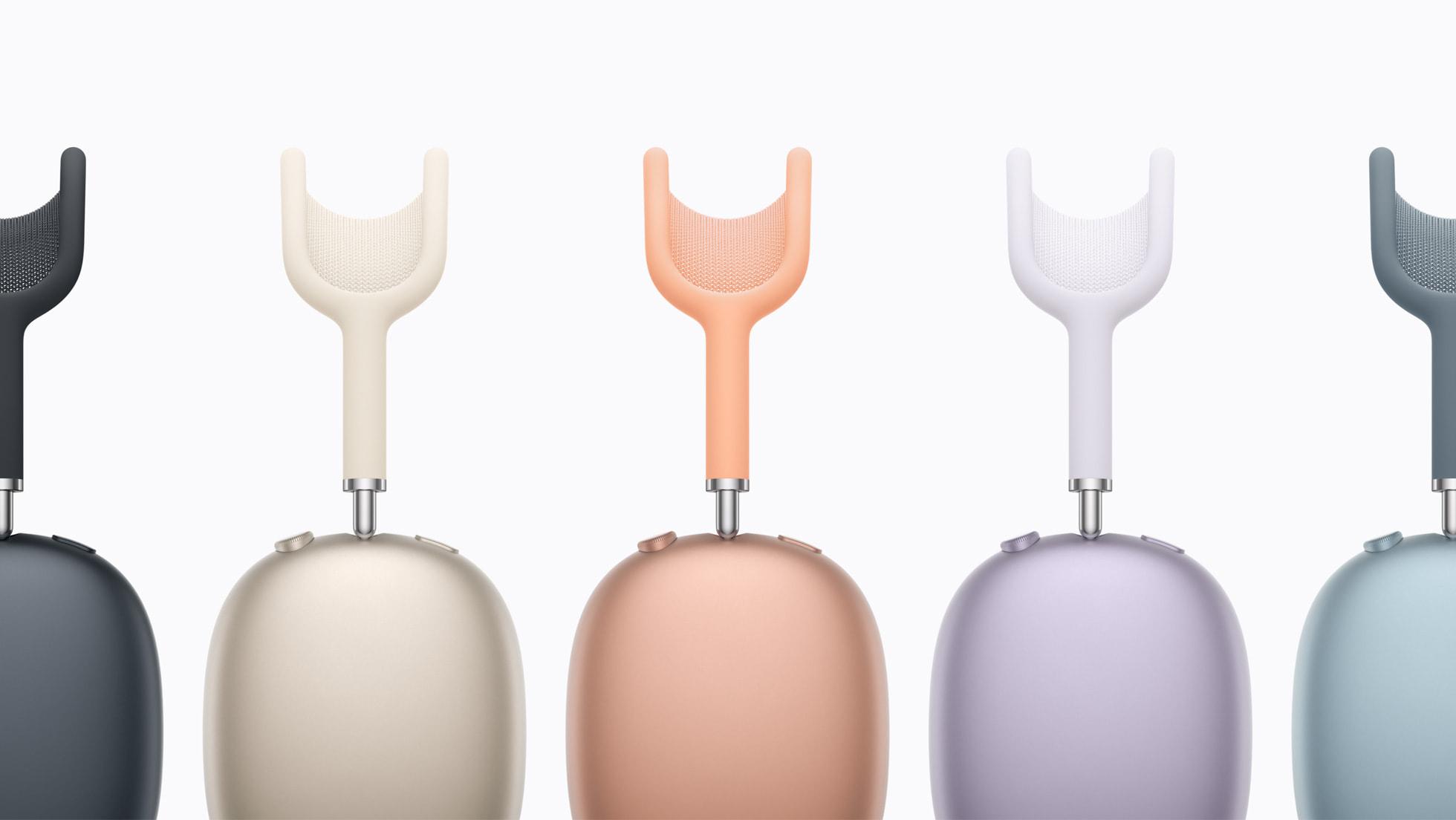
A gift buyer has one more decision because the person receiving the headphones will live with the model choice. Apple offers five colors in its US listing. Check the exact model, finish and delivery date, and give the buyer and recipient an agreed plan for an exchange if the color or fit does not work. The future credit belongs to the transaction that earned it. People who split the gift and the card between themselves can make an otherwise simple exchange harder to coordinate. Holding on to the original order information is useful even when the purchase is a surprise.
The card is also a poor reason to turn a purchase you planned for December into two purchases you are trying to arrange on a Friday afternoon. Compare offers against the original shopping list. If you planned to buy another item that weekend, price it on its own and check whether paying with the card later leaves that item within reach at a comparable price. If the second item would cost more by the time the card is useful, you have a reason to count less than the full $75. A simple choice about where to buy gets easier when each of the two purchases has its own line in the budget.
The strongest case for Apple’s offer is a buyer who already wants these headphones, intends to shop through a qualifying Apple channel and has another eligible purchase in mind. For everyone else the card is an option to spend with the same company later. Put a value on that option before it changes what you were willing to pay today.
Sources
- Apple Store Black Friday Event 2026 U.S. terms and conditions
- Apple’s AirPods Max 2 U.S. store and product specifications
- Apple Newsroom’s AirPods Max 2 announcement
- Apple U.S. shopping help for payment and gift cards
- Apple U.S. Gift Cards and Codes terms
More from Fever: Fever’s Gadgets coverage