

Ezra Frech Won the Mirrorball. Will Smith Crashed the *Fresh Prince* Reunion.
The Paralympian's history-making win was the story. The nostalgia cameo was the chaser.
The Dancing With the Stars season 35 finale was three hours long, live coast to coast for the first time in the show’s history, and built around five finalists who all had a plausible claim on the Mirrorball. By the end, the night belonged to Ezra Frech.
Frech, the 21-year-old Paralympian, won the Len Goodman Mirrorball Trophy with his partner Daniella Karagach. He is the first amputee to win the show and the youngest man to do it. Karagach now has two wins; her first came in season 30 with NBA player Iman Shumpert.
The winning routine was a freestyle to Linkin Park’s “Numb.” Frech started it without his prosthetic leg, then put the leg on for the second half. At one point the leg came off. He kept dancing, recovered, and finished to a perfect 30 out of 30. “If one person with a disability feels more confident and holds their head up high because of this show, then I’ve done my job,” he said afterward, choking up.
That is the story. The rest is the chaser.
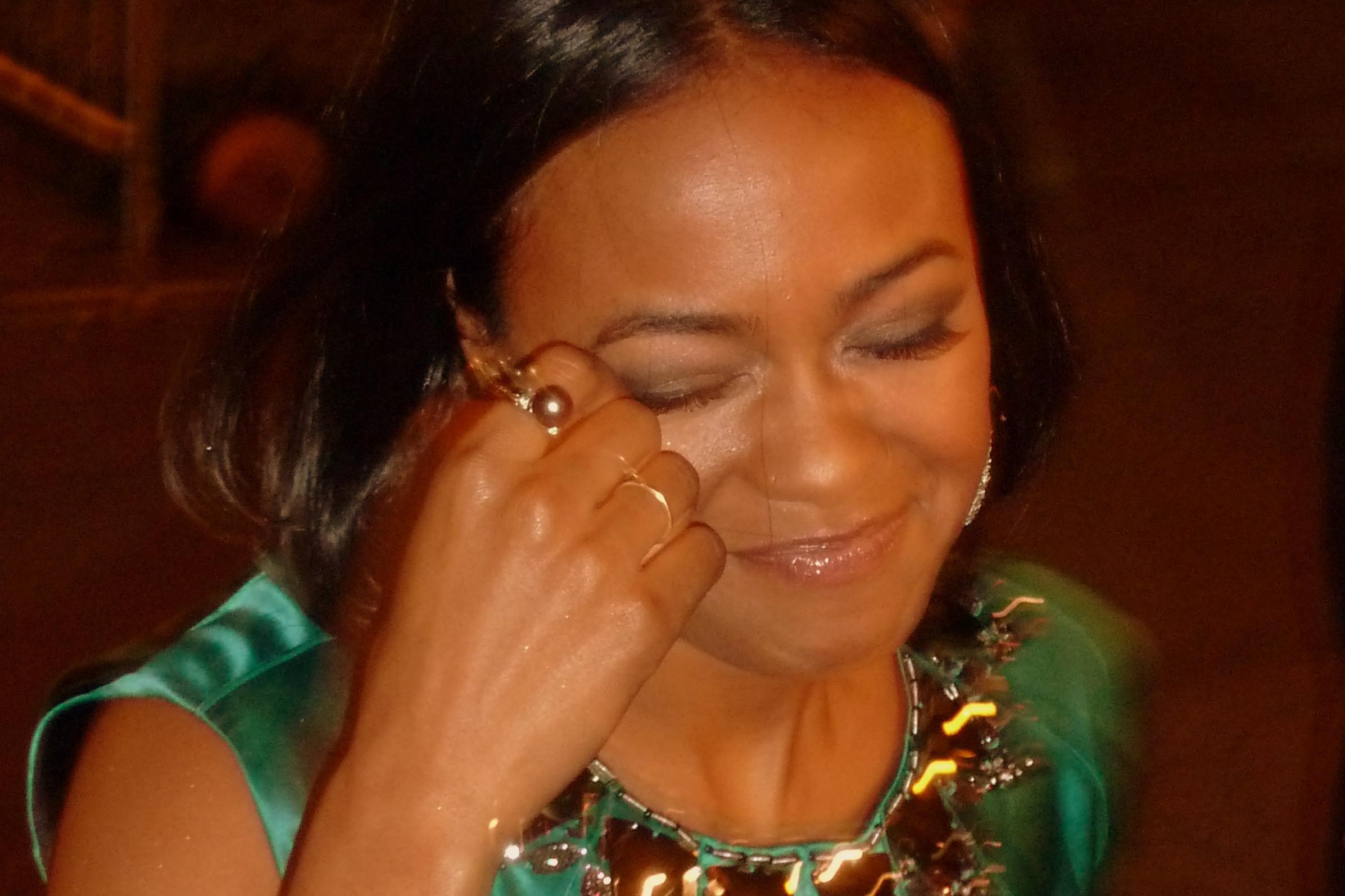
Tatyana Ali, the Fresh Prince of Bel-Air alum, finished fourth with partner Jan Ravnik. Her season was a long, graceful run that turned into a reunion of sorts: Alfonso Ribeiro, who played Carlton Banks, co-hosts the show with Julianne Hough. And on finale night, Will Smith appeared in a video message to Ali. “I am in awe. I love you,” he said, according to E! News. Ali has said the messages from her TV family meant everything.
The collision of those two stories is what made the finale feel bigger than a reality competition. On one side, a young athlete proving that a body with a prosthetic leg can be the center of a prime-time dance number. On the other, a 1990s sitcom family reminding a network audience that nostalgia is still the most reliable drug in television. Both are true. Both are why the show still works.
Dancing With the Stars has spent 35 seasons refining a simple machine: take people the audience already has feelings about, teach them to dance, and let the feelings do the rest. Athletes, actors, reality stars, comedians. The show is not really about dance. It is about watching someone become vulnerable in public and then become competent. The Mirrorball is a souvenir.
Frech’s win is the best version of that machine. He was already a public figure — a two-time Paralympic gold medalist — but the show gave him a different kind of attention. Not the “inspiration” framing that disabled athletes often get, but the “competitor” framing. He was judged on the same scorecard as everyone else. He got a perfect score because he was the best dancer on the night.
The show also got something it rarely gets: a winner whose story is not a comeback or a redemption arc. Frech is 21. He is at the beginning. The Mirrorball is not a second act for him. It is a first act.
Ali’s run is the other kind of story the show loves: the beloved former child star who turns out to be charming, funny and game. She did not win, but she got the reunion moment, and the reunion moment got the clip. Will Smith’s message will be the thing people share. Frech’s freestyle will be the thing people remember.
That is a fair trade. The show needs both the tears and the jokes. It needs the athlete who makes you cry and the sitcom star who makes you text your college roommate. The finale delivered both, in a package that ran three hours and still felt like it could have used one more dance.
For Fever’s audience, the appeal is the overlap. Fresh Prince is a streaming staple; Will Smith is a permanent part of the culture; Tatyana Ali’s run was a reminder that she was always more than Ashley Banks. And Frech is the kind of winner the show should be building around: young, competitive, unafraid to talk about disability without turning it into a lesson.
The Mirrorball goes to the dancer who scored the most. This year, that was also the dancer who had the most to say.