Molly Santana Doesn't Want the Underground's Crown
The L.A. rapper told Bootleg Kev the scene she came up in has a problem with women — and she said it without softening the edges.
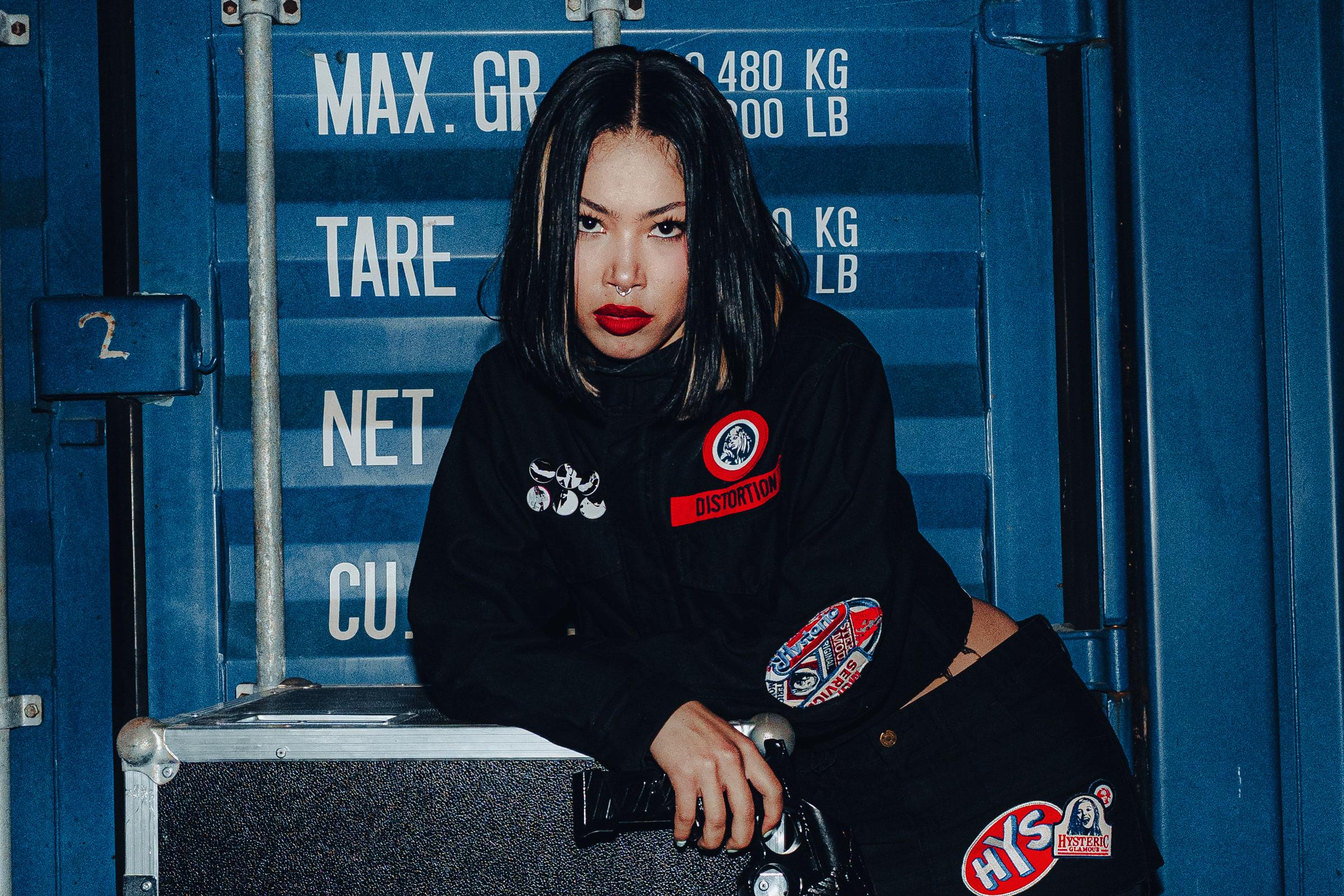
Molly Santana was not looking for a coronation. In an interview on The Bootleg Kev Show published Nov. 19, the host called her “The Queen of the Underground.” Santana declined the title, then explained why.
“I don't want to be queen of the underground,” she said. When Kev suggested that fans can be intense, Santana said, “the underground doesn’t really like women.” Both XXL and Billboard quoted that line; their transcriptions of the surrounding remarks differ.
Santana is describing her own experience in a specific scene, not delivering a thesis about all of rap. She did not name artists or incidents in the portion quoted by XXL and Billboard. What she named was the temperature of the room she came up in.
The timing gives the line its weight. Santana is a Los Angeles rapper who has spent this year moving from the underground's margins toward its center. She appears on “Ran to Atlanta,” from Drake's Iceman, with Drake and Future. Her album Black Punk was released Nov. 27 through Epic Records and her own Black Punk Music imprint. The major-label deal was announced earlier this month.
The crown was being offered at the moment she no longer needed it. “Queen of the Underground” is a compliment with a job attached. It makes the artist a mascot for a scene's taste and asks her to defend its borders. Santana would rather not.
Billboard reported a follow-up line: “It's such a love/hate relationship.” That is the most useful part of the exchange. The underground gave her a sound, an audience and a vocabulary. It also gave her a ceiling. She is not renouncing the first three. She is naming the fourth.
The documented response has been coverage rather than a fight. XXL and Billboard both picked up the clip; the conversation around it has focused on the title, not on a specific accusation. Santana did not provide a bill of particulars, and the internet does not need one to recognize the pattern she is pointing at: the same rooms that celebrate a woman's edge can turn on her the moment she sets a boundary.
There is a temptation to turn this into a verdict on underground rap. Resist it. Santana's sentence is a report from inside one scene, not a census. What she is saying is narrower and more damning: the audience that claims to want something raw often wants it from women who stay grateful. Ambition reads as betrayal. A title that sounds like elevation can be a leash.
She is about to find out whether the larger room is any different. The interview suggests she is not counting on it.