

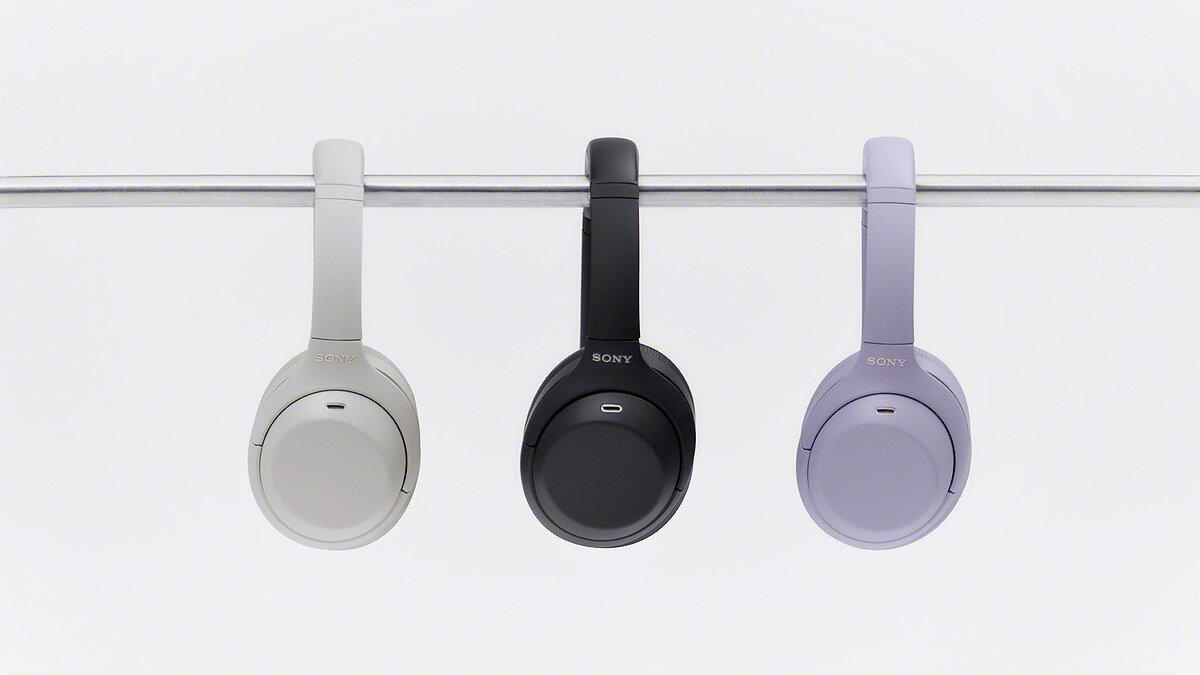
Sony WH-1000XM4C Review: The Folding Headphones I’d Put on a Travel Shortlist
Sony’s refreshed over-ears make a strong case for travelers who value a small case and good noise cancellation. The recommendation changes if your headphones are also your busiest work microphone.
The headphone case is often the last thing that goes in a carry-on. Everything else already has a place. The case has to fit in whatever is left, and you still have to get it out again at your seat. The strongest case for the Sony WH-1000XM4C starts with that very ordinary problem. The earcups fold inward, Sony supplies a case, and published testing supports the quieter-trip part of the promise. These are the headphones to shortlist when the bag and the ride both matter.
That is a recommendation based on Sony’s published specifications and independent testing by SoundGuys and What Hi-Fi?. The most persuasive combination is practical rather than glamorous. You can pack the headphones away, get strong active noise cancellation and have a battery that Sony designed to be replaceable. The weaker argument is that the same pair must also carry your professional calls in a noisy place. SoundGuys’ microphone samples and assessments make that a reason to compare alternatives before buying.
Check the last letter carefully while shopping. Sony calls the WH-1000XM4C the second generation of the WH-1000XM4. It is a 2026 refresh of that older model, and Sony’s US launch release listed a suggested price of $299.99. The new model, the original XM4 and the more expensive XM6 are different products. A holiday listing that trims a single character off the name can make a sizable difference to what turns up in the box.
Packability is a feature you use twice a day
A fold gives you more than a pleasing motion. It changes the shape that needs to go into a bag. A large flat case may fit against a laptop, while a smaller folding case can fit into a space divided by a charger, bottle or change of clothes. Which shape works better depends on the bag. The advantage here is a smaller object to place and a repeatable way to recover the room when you put the headphones back.
Sony includes a carry case and lists a headphone cable in its US specifications. For a traveler, the wired option matters because the source of the sound may be a seatback socket rather than your own phone. It is also a useful fallback to keep in the case even if the headphones spend most of their life on Bluetooth. USB-C is the charging connection. Check the listed connections before assuming a USB-C charging cable doubles as the audio cable you need for another device.
The trade-off is that folding headphones still have to be comfortable unfolded. SoundGuys’ Christian Thomas reported being able to listen comfortably for a four-hour stretch, with a warning that the pads retained some heat. What Hi-Fi? also found the design comfortable. Fit remains individual, particularly if you wear glasses, carry a lot of hair under the band, or prefer to keep the cups on between stops rather than constantly take them off. The case gets you through packing. The shape and pressure get you through the flight.
That is also why the absence of a published ingress protection rating, noted by SoundGuys, belongs on the buying checklist. A travel headset can be a good airport and train companion without being the pair to wear through a wet run or a punishing gym session. If a single pair has to take those jobs too, the environment where it will be used matters more than the appeal of the folding mechanism.
What the independent testing says about noise
Noise cancellation is best understood as a way to lower the steady effort of listening. An engine or ventilation system can turn a reasonable volume into a frustrating one when it keeps occupying the same part of your attention. You want less of that baseline noise while you work through a playlist or an audiobook. You still need to be able to deal with people, announcements and other sounds you choose to hear.
SoundGuys reported strong cancellation in its lab comparison and found the XM4C effective on a noisy part of the reviewer's train commute. The site also noted that the sample it tested appeared to seal better than the older XM4 sample it compared. That observation is useful because it puts the numbers in context. A seal is a physical relationship between the pads and your head. Hair, glasses, pad wear and the position of the cup can all change it. Even a persuasive measurement is evidence from a particular fit and test.
The listening verdict comes from a different kind of evidence. What Hi-Fi? liked the Sony’s musical timing, dynamics and balance. Its reviewers heard enough to rate the pair highly on sound as well as practicality. SoundGuys found the refresh’s tuning close enough to be recognizable while noting a change at the top end. Those impressions can both be right. A sound can be broadly agreeable and still land differently depending on the recording, the listener and their sensitivity to treble. Sony’s app offers equalization if the general character is right and a narrower adjustment would make it easier to live with.
The Sony app and ambient setting are worth understanding before the trip. Being able to bring outside sound back in is part of using a pair well when the gate agent is speaking or someone needs a quick answer. If that mode is a priority because you plan to wear the headphones continuously, try it in a shop or look for comparisons rather than using the strength of the cancellation as a shortcut. How much noise a headphone removes and how naturally it lets important sound back in are two separate experiences.
The battery and microphone point to different buyers
Sony rates the XM4C for up to 27 hours of music with noise cancellation on and up to 34 with it off. Those are manufacturer figures, and SoundGuys did not report a completed battery rundown in the body of its published review. A long itinerary gives you a better reason to be conservative about the number than to argue about which estimate is closest. Bring a charging cable and consider what else can share it. Volume, connection settings and how often a long day turns into a second listening session can all affect how much you need to recharge.
The replaceable battery is more compelling to someone planning to own a pair through years of daily use. Sony’s release identifies replaceability as an update, but the practical value still depends on how you get a compatible replacement and what that costs in your market when you need it. It is prudent to check Sony’s support information before treating the feature as a service you can count on immediately. If a battery is what has ended the useful life of your past headphones, a realistic repair path can matter as much as the first-day run time.
Calls are the clearest reason to choose more carefully. SoundGuys published microphone examples covering settings including a street, an office and wind. The reviewer found basic voice communication workable and found weaker results in some difficult environments than from newer options. Sample recordings tell you something the feature list cannot. They let you listen for how intelligible the speaker remains and whether the voice processing itself would be distracting for the person on the other end. Motor noise getting quieter for you does not guarantee that the other person can hear your sentence clearly.
For an occasional call on a trip, this is a manageable trade-off. For a day that involves several hours of talking in busy places, make the microphone decision first. Look for comparable sample recordings if your daily problems are wind, office voices or a loud fan. Fever’s evaluation of the Soundcore Space 2 Pro starts with that problem. Changing how much you spend on the headphone can be less consequential than getting the right microphone arrangement for the job. The same is true when a return window lets you test how the pairing behaves between your actual phone and laptop rather than the ideal setup in a specification table.
Who should buy it
The XM4C makes the most sense for someone starting without a dependable set of travel headphones who wants a compact case and strong cancellation, and who can find the refreshed model at a price meaningfully below pricier options that fit equally well. It is also a sensible replacement to consider if you already like the older XM4's folding layout and your pair is failing. Someone whose older pair is working has less to gain. The updated tuning and battery design may matter eventually, but the existing headphones are already solving the packing problem.
Before leaving for a trip, there is one small check that will tell you more than the name on the chip. Pack the headphones, their case and the cable with the things you actually take through security. Then take them out and put them away again from a seated position. If a headphone takes both hands and everything else on the table to return to its case, the inconvenience will be there twice per leg. If the folded case disappears neatly beside your other things, you will use the benefit every time you travel.
Compare the actual price with alternatives and match the model number before you buy. A wide holiday price gap can make the choice easy for the right traveler. A narrow gap is a reason to try both fits and compare their microphones if those matter to you. The reason to buy this Sony is clear enough when the price works. The folded pair fits the space you have, and the evidence supports taking it out again when you need the noise to recede.