Klaus Mäkelä Will Lead the Chicago Symphony at 31
At 31, Klaus Mäkelä will become the youngest music director in Chicago Symphony history — and the most scrutinized.
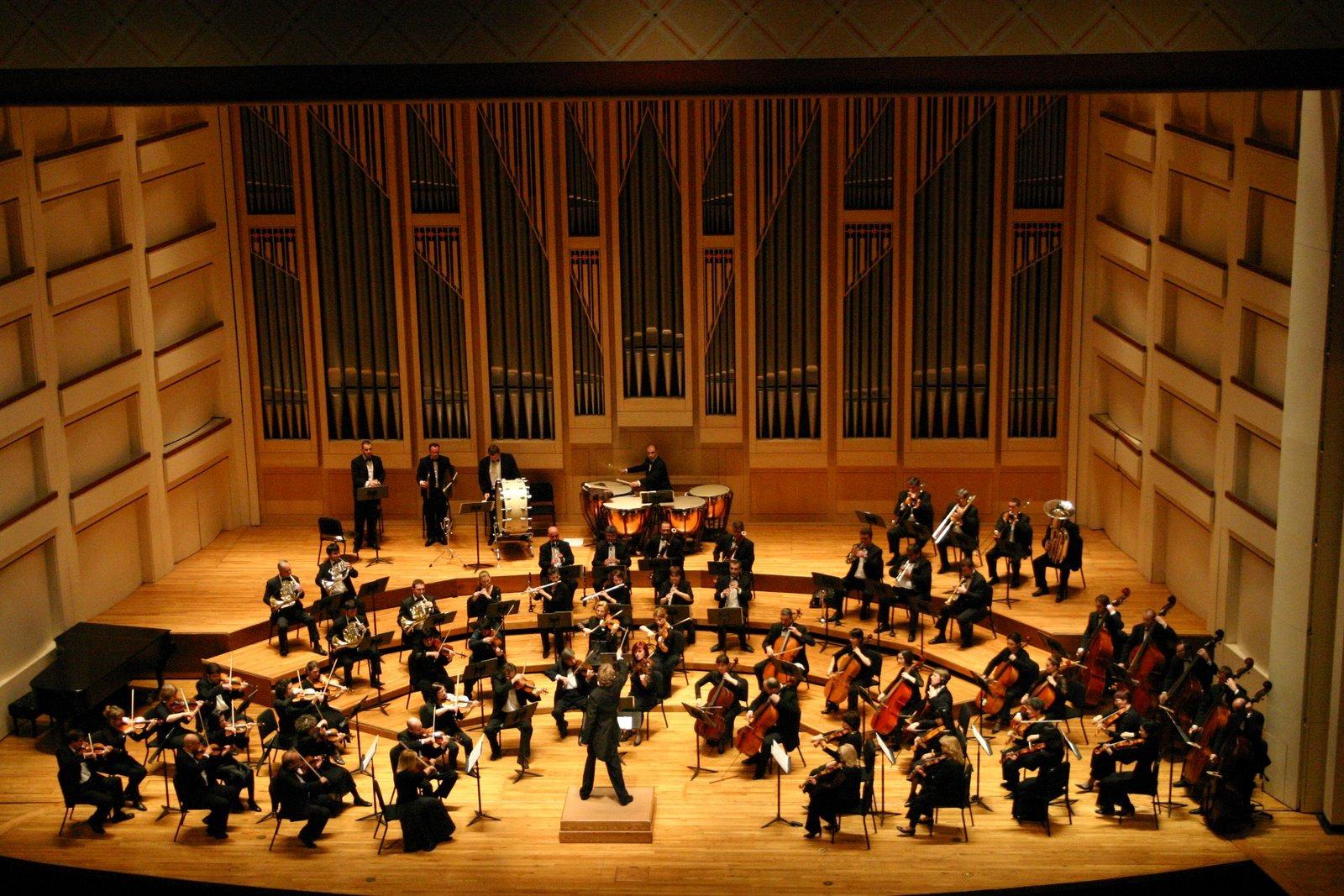
The rehearsal is moving fast. In a PBS NewsHour segment this week, Klaus Mäkelä stands before the Chicago Symphony Orchestra and asks for a two-bar phrase, up and then down. "I try to be quite efficient, quite fast, to the point," he tells Jeffrey Brown, "but then you need to also allow yourself moments of exploration and experiment."
That combination — speed and space — is both the case for Mäkelä and against him. The Finnish conductor was named music director-designate of the CSO in April 2024, at 28. He succeeds Riccardo Muti, who led for 13 seasons. When Mäkelä starts on September 1, 2027, he will be 31, the youngest music director in the orchestra's history and its 11th. His initial contract runs five years.
The terms matter. Mäkelä will conduct a minimum of 14 weeks per season: 10 in Chicago, four on tour. He will also become chief conductor of the Royal Concertgebouw Orchestra in Amsterdam in 2027-28, a dual post that has drawn criticism. The New Yorker's Alex Ross was blunter: "We don't need more junior maestros who gallivant between commitments like rakish lieutenants in a Viennese operetta."
Mäkelä's answer is that the schedule is normal. Conductors have always moved between orchestras, he told Brown; he prefers commitment to a week here and there. He also noted that many great conductors started young. "It's up to everyone what they think," he said. "I have too much to think about in the music."
The résumé explains the attention. Born in Finland to two music teachers, Mäkelä started studying conducting at 12; his parents initially tried to dissuade him. "Their biggest nightmare was that I would become a musician," he said. By 22, he was principal guest conductor of the Swedish Radio Symphony Orchestra. At 24, he became chief conductor of the Oslo Philharmonic. A year later, he took over the Orchestre de Paris.
Inside the orchestra, the reception has been warmer. Yuan-Qing Yu, an associate concertmaster for more than 30 years, sat on the search committee. She described "this extraordinary ability to bring his ideas to the table and to communicate to the musicians." Timothy Higgins, the principal trombone, credited the chemistry Mäkelä creates: a word or a gesture, and the sound changes.
The CSO is selling that feeling. Its new branding reads "Witness What's Next." The orchestra has also given Mäkelä time: he returns for five weeks this season and leads his first European tour with the CSO in 2026-27. The bet is that audiences will tolerate a part-time maestro if his weeks feel like events.
The skepticism is not only about age. It is about whether a music director can build a tenure 14 weeks at a time while running another major orchestra. The comparison to Gustavo Dudamel, who took over the Los Angeles Philharmonic at 28, is inevitable. So is the question of what a modern maestro is for: conductor, curator, brand, fundraiser, story. Cleveland Orchestra and San Francisco Opera musicians have struck in recent months, reminders that prestige does not pay the bills.
Mäkelä's answer is to make the music the argument. In rehearsal, he asks for a phrase to move, then stops. The orchestra responds. That is the bet Chicago is making: that presence, even in limited weeks, can still change a room.