L-Stringz Puts the Violin in Rooms It Usually Skips
Baltimore violinist Leanne Holmes builds a band and a following by treating hip-hop and R&B as string music, and a local TV segment catches the work in motion.
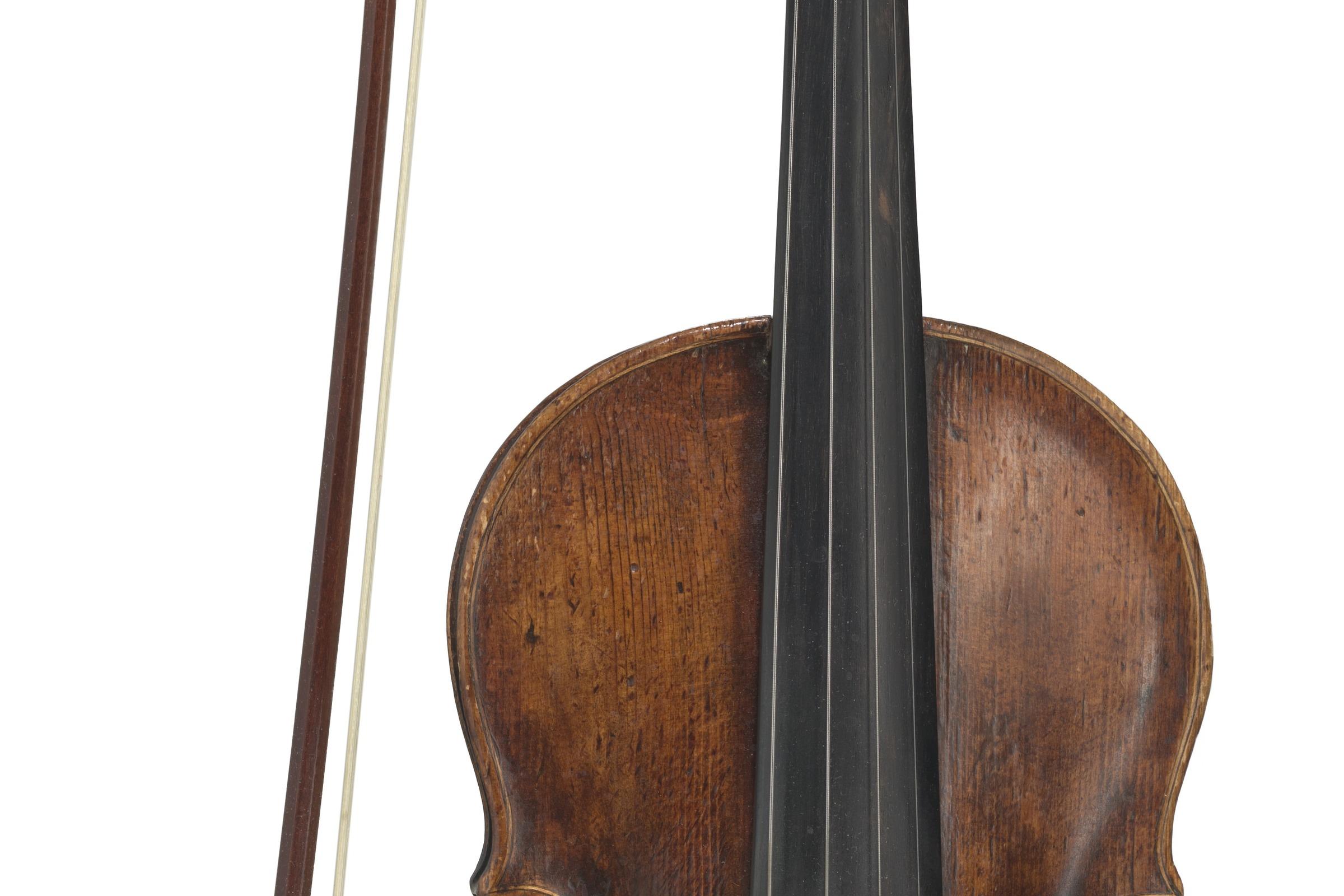
The segment is short, as morning TV is. Leanne Holmes, the Baltimore violinist who performs as L-Stringz, explains on Good Morning Washington how a classically trained player built a sound around hip-hop and R&B. The WJLA feature, posted November 25, covers her start, her training and her arts advocacy. It is not a career retrospective. It shows a working musician explaining the job.
Holmes came to the violin by accident, or close to it. She has said she was around 10, at a new school, when she heard someone play and asked what it was. Her mother rented one on the condition that she stick with it for a year. She did. Formal lessons gave her technique; a mentor, violinist Ashanti Floyd, known as "The Mad Violinist," helped her learn to play by ear and hear hip-hop and R&B as material.
She studied music performance at Hampton University, graduating in 2020, and performed the national anthem at the Honda Battle of the Bands in 2019 and 2020. Her bio calls her the only violinist to do it two years running. She moved to Maryland in 2022 and formed The Gentlemen in winter 2023, a band built on keys, bass and percussion.
The sound is the point. A violin can read as formal, reserved, tied to a concert hall. Holmes puts it in front of a band and lets it carry the melody, the riff, the solo, the drop. Her sets move through classical, R&B, hip-hop, go-go and Baltimore drill, a range she picked up partly by moving to a city with its own rhythmic vocabulary. Her stated goal is "to show violin in spaces that you don't see."
The résumé is longer than a four-minute segment. She has performed at the Apollo Theater, AFRAM, Artscape and Diner En Blanc Baltimore, and for Def Jam, the 85 South Show and Rolling Out. None of that makes her a national star, and the segment does not claim otherwise. It makes her a local headliner with a clear artistic argument, which is a different and more durable thing.
The advocacy is not a footnote. Holmes teaches and directs orchestral and band programs, gives private lessons, and runs scholarships, supply drives and camps. She has worked with the Black Arts District and the Maryland State Arts Council. For a musician who argues that the violin belongs in more rooms, teaching is the logical next step.
Morning television is not a coronation. It is a booking, a signal that a local artist has become a name a general-interest audience might recognize. Holmes has spent years building the kind of career that fits between genres and institutions. The segment gives it a frame. The work continues after the credits.